The Complete Beginner's Guide to Garden Care: From First Dig to Full Bloom

Gardening has moved from a seasonal pastime to a year-round pursuit for many households. As more people take up trowels for the first time, the demand for clear, practical guidance has grown alongside a renewed interest in self-sufficiency, outdoor wellness, and local food production. This analysis examines the forces shaping beginner gardening, the challenges newcomers face, and where the hobby is likely headed.
Recent Trends in Home Gardening
Interest in gardening has broadened beyond traditional flower beds. Observers note a steady rise in container gardening, balcony planting, and indoor propagation, driven by limited outdoor space and a desire for low-barrier entry points. Seed sales, starter kits, and online tutorials have all seen increased attention, particularly among younger demographics exploring food growing for the first time.
Several patterns stand out in current beginner behavior:
- Herbs and leafy greens lead as preferred first crops due to quick results and minimal space requirements.
- Soil health and composting are gaining priority over chemical fertilizers among new gardeners.
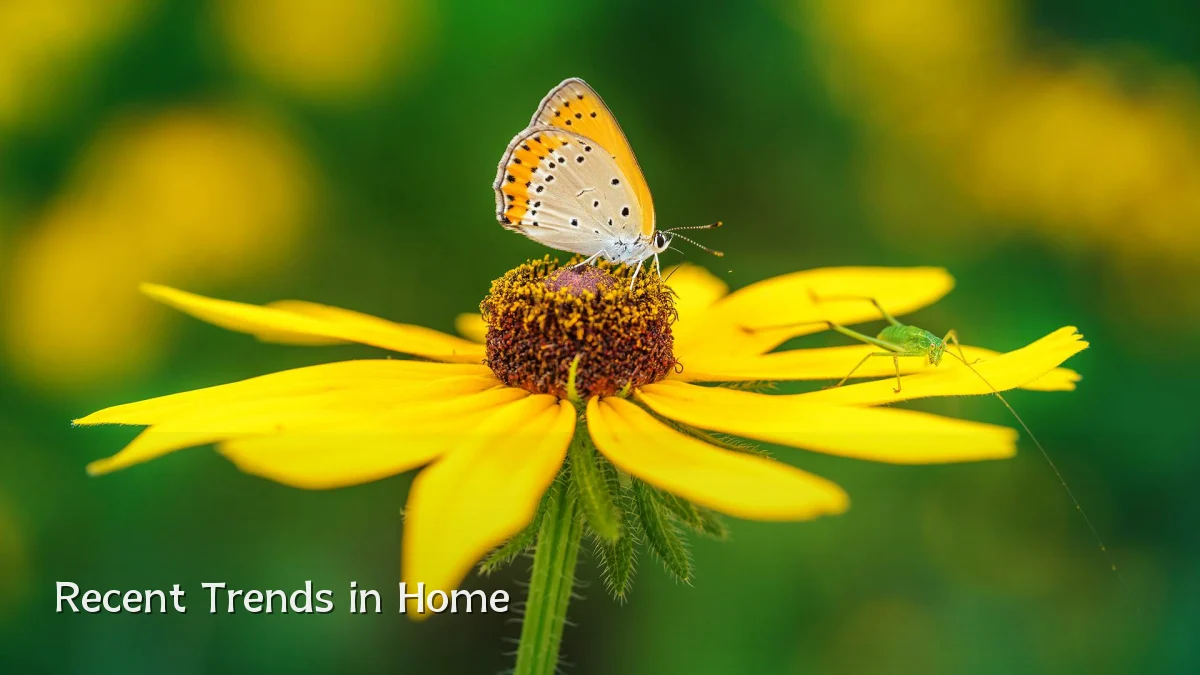
- Native plants and pollinator-friendly species are increasingly chosen over high-maintenance exotics.
- Digital tools, including planting calendars and identification apps, supplement traditional advice.
Background: Why Gardening Gained New Attention
Gardening has long been regarded as a practical skill, but its modern resurgence reflects a convergence of factors. Periods of restricted movement and supply chain uncertainty prompted many households to reconsider where their food comes from. At the same time, rising costs for fresh produce made home growing an economically attractive option for some, even if initial setup requires investment.

The hobby also carries established mental health benefits. Horticultural therapy research has long documented how regular contact with soil and plants can reduce stress and improve mood. For many beginners, the garden has become less about yield alone and more about daily routine, patience, and a sense of accomplishment that is increasingly hard to find in fast-paced digital life.
Common Concerns for First-Time Gardeners
Despite the enthusiasm, new gardeners frequently encounter the same set of obstacles. Understanding these concerns helps frame the advice that follows in most beginner guides.
- Overwatering and underwatering: Judging soil moisture ranks among the most frequent mistakes, often leading to root rot or stunted growth.
- Poor soil preparation: Planting before amending soil or testing drainage commonly results in disappointing yields.
- Sunlight miscalculations: Beginners often overestimate or underestimate how much direct light a space actually receives.
- Pest panic: Responding to insects with aggressive treatment can do more harm than the pests themselves.
- Impatience with timing: Sowing too early or too late remains a leading cause of failure in seasonal planting.
For most beginners, the core advice is consistent: start small, observe carefully, and treat failure as diagnostic data rather than a sign of incompetence.
Likely Impact on Gardening Habits
The long-term effect of the current gardening wave may be a shift from outcome-focused to process-focused engagement. Rather than measuring success entirely by harvest weight or bloom density, many newcomers are adopting a more experimental posture, keeping notes, comparing methods, and sharing results with peers.
This behavioral shift has practical consequences. Beginner-friendly gardening is likely to push retailers toward more transparent labeling on seed packets, clearer soil product guidance, and modular systems for small spaces. Community gardens and shared tool libraries may also grow in relevance as renters and apartment dwellers seek space without committing to private land ownership.
There is also a measurable dimension of resilience. Households that learn to produce at least a portion of their own herbs or vegetables are more likely to maintain the practice during economic downturns, suggesting that gardening skills could have a stabilizing effect on household budgets over time.
What to Watch Next
As the beginner gardening wave matures, several developments merit attention. The availability of affordable, high-quality starter kits and region-specific seed varieties will determine whether fledgling interest converts into long-term practice. Similarly, the growth of local gardening clubs and municipal composting programs can signal whether the hobby is becoming a community habit or remaining a solitary one.
Climate variability will also play a defining role. New gardeners are increasingly seeking advice on heat-tolerant crops, drought-resistant planting, and seasonal flexibility, suggesting that beginners are adapting their approach before they have even mastered the basics.
Finally, watch the educational landscape. If schools, libraries, and extension services expand hands-on programming, gardening may evolve from a pandemic-era trend into a standard life skill for a new generation. The coming seasons will reveal whether the movement holds ground, but a strong foundational guide remains the single most effective tool to help beginners persist past the first dig and toward full bloom.