When to Call a Professional for Garden Care: 10 Signs Your Yard Needs Help
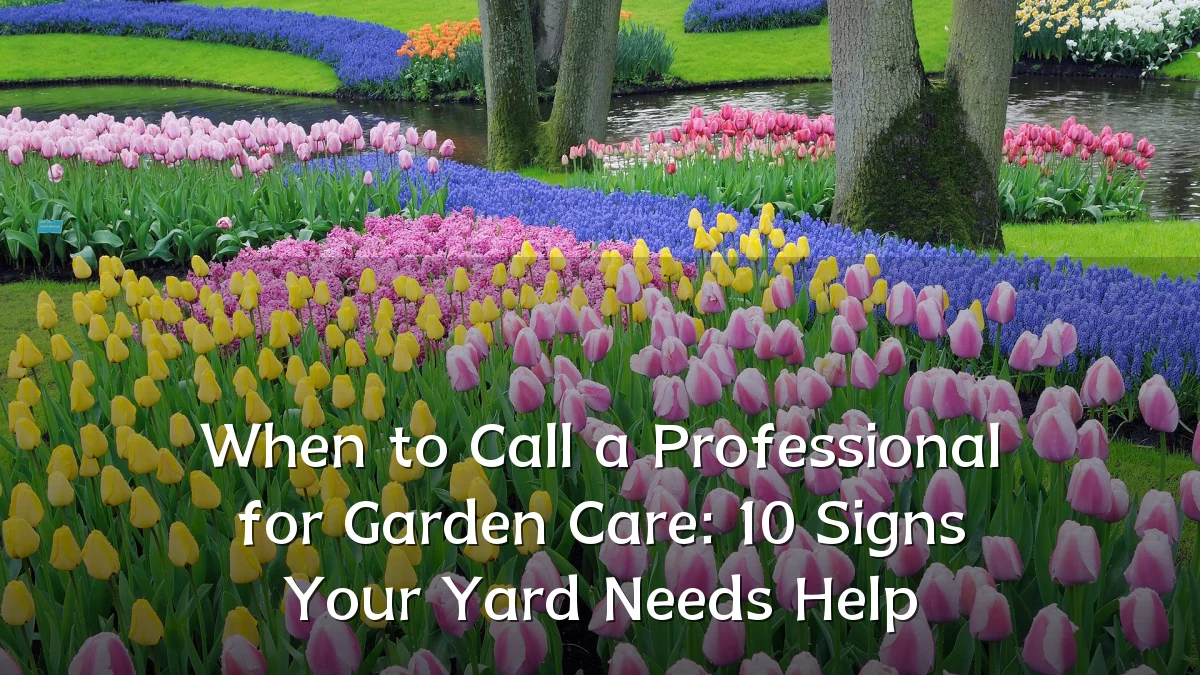
Garden maintenance has moved well beyond the simple weekend mow. As outdoor living spaces expand and climate patterns shift, the line between manageable DIY upkeep and professional intervention is blurring. Homeowners today face a complex set of decisions regarding turf health, soil composition, and structural plant care. This analysis examines the current landscape of professional garden care, the specific thresholds that signal a need for expert help, and what the future holds for residential outdoor management.
Recent Trends in Garden Care
The residential gardening sector has seen a distinct shift toward comprehensive landscape management rather than isolated lawn care. Observers note an increase in demand for holistic services that address soil health, native planting integration, and water conservation simultaneously.

- Complexity of modern designs: Contemporary landscapes often incorporate layered planting schemes, irrigation technology, and hardscaping that require specialized knowledge to maintain correctly.
- Extreme weather pressure: Fluctuating precipitation and temperature swings have made turfgrass and ornamental beds more susceptible to stress, disease, and pest outbreaks than in previous decades.
- Labor market dynamics: The landscaping industry faces a skilled labor shortage, which has increased lead times for booking services and has made retaining reliable professional help a strategic priority for many households.
- DIY cost creep: The upfront cost of professional-grade equipment, high-quality soil amendments, and effective pesticides often rivals the cost of hiring a licensed applicator.
Background: The DIY vs. Professional Crossroads
Historically, garden care was largely a manual labor task involving straightforward mowing, edging, and weeding. The modern garden, however, is an engineered ecosystem. Proper diagnosis of turf discoloration, for instance, requires distinguishing between fungal pathogens, insect damage, and irrigation runoff. Misdiagnosis can lead to wasted spending on ineffective treatments or further damage.

Professional garden services offer more than just labor; they provide diagnostic capabilities, calibrated application equipment, and access to commercial-grade products not available to the average consumer. They also carry liability insurance, which is a crucial consideration when work involves tree removal, pesticide application, or extensive excavation. The decision to hire a professional is often driven by the gap between the physical demands of the task and the specialized resources required to complete it safely and sustainably.
User Concerns: 10 Signs Your Yard Needs Help
Determining the right moment to seek external expertise is not always intuitive. The following indicators routinely surface as the primary triggers for homeowners to consider transferring garden care responsibilities to a qualified professional.
- Persistent Turf Disease or Discoloration: Patches of grass that remain yellow, brown, or slimy despite adequate watering and mowing often indicate a deep-rooted fungal issue or a severe soil pH imbalance that requires laboratory testing and prescription-grade treatments.
- Uncontrolled Invasive Species: The presence of aggressive weeds like Japanese knotweed or creeping Charlie, which are resistant to standard over-the-counter herbicides, typically demands a targeted eradication protocol from a licensed applicator.
- Standing Water and Drainage Failure: Areas of the yard that remain soggy for days after rain suggest compacted soil or a failing drainage system. Professional solutions, such as aeration, French drains, or regrading, require heavy equipment and engineering insight.
- Soil Compaction and Thatch Buildup: If a screwdriver cannot easily penetrate the lawn, or if the layer of dead organic matter exceeds half an inch, core aeration and dethatching are necessary. These tasks are physically demanding and are best performed with professional-grade machinery.
- Structural Hazards in Trees and Shrubs: Cracked trunks, hanging limbs, or roots heaving near the foundation are safety risks. Arborists are trained to assess structural integrity and perform corrective pruning or removal without causing damage to the property.
- Irrigation System Dysfunction: Broken sprinkler heads, uneven water distribution, or a rapidly increasing water bill indicate a need for an irrigation audit. Professionals can adjust coverage zones and repair underground wiring and plumbing leaks efficiently.
- Large-Scale Renovation or Installation: Installing a new patio, building a retaining wall, or planting a tree with a large root ball involves structural and horticultural knowledge that goes beyond routine maintenance.
- Chemical Application Requirements: Applying pre-emergent herbicides, fungicides, or high-nitrogen fertilizers correctly requires precise timing and dosage. Professional applicators are certified in safe handling and environmental protection practices.
- Recurring Pest Infestations: Grubs, chinch bugs, and vole damage can decimate a lawn quickly. Effective treatment involves breaking the pest lifecycle, which often requires repeated monitoring and strategic application that is difficult for DIY homeowners to sustain.
- Significant Time Constraints or Physical Limitations: As garden plots expand and maintenance needs increase, the time investment becomes substantial. For aging homeowners or those with demanding schedules, outsourcing is the most practical way to maintain curb appeal and plant health.
Likely Impact of Hiring a Professional
The decision to bring in a specialist carries measurable trade-offs. Financially, homeowners can expect to pay a premium for expertise, but this is often offset by the reduced cost of wasted DIY products and the avoidance of emergency repair bills for damaged irrigation lines or fallen trees.
From an environmental standpoint, professional intervention generally leads to more targeted chemical applications. Instead of blanket-spraying the entire yard, a professional can use spot treatments, reducing the overall chemical footprint. In terms of property value, a well-maintained landscape directly impacts curb appeal and structural safety. Routine professional care also identifies minor issues—like a developing pest hotspot or a leaking sprinkler valve—before they escalate into costly crises.
From an efficiency standpoint, the primary value of a professional service is liability transfer and risk management. Homeowners pay for the assurance that the correct diagnosis is made the first time, and that any complications are covered under the contractor's insurance.
What to Watch Next
Looking ahead, the garden care industry is likely to see increased integration of technology and sustainability standards. Observers anticipate growth in smart irrigation controllers that link to weather forecasts, as well as the rise of soil microbiome testing as a standard diagnostic tool. Subscription-based models, where professionals visit monthly or quarterly to provide continuous monitoring, are also gaining traction over one-off emergency calls. Finally, as water restrictions become more common under drought conditions, homeowners will likely rely more heavily on professionals to design xeriscaping and drought-tolerant planting schemes that comply with local regulations.
For now, the clearest advice for any homeowner is to audit their own time, safety, and budget. If a garden issue has resisted a simple fix for more than one growing season, the practical threshold for calling a professional has likely already been reached. The most successful approach combines proactive seasonal maintenance from an expert with the homeowner's vested interest in their own outdoor space.