How to Build a Low-Maintenance Garden That Still Looks Stunning

Homeowners are increasingly balancing the desire for a beautiful outdoor space with the reality of limited time, shifting climate conditions, and rising maintenance costs. The result is a growing interest in garden designs that require less frequent intervention while still delivering strong visual appeal throughout the year.
Recent Trends: The Shift Toward Smarter Planting and Design
The most visible trend in residential landscaping is the move away from high-input lawns and annual bedding plants toward permanent, self-sustaining plantings. Landscape designers and horticultural experts are emphasizing structural plants, ground covers, and native species that thrive with minimal irrigation once established.
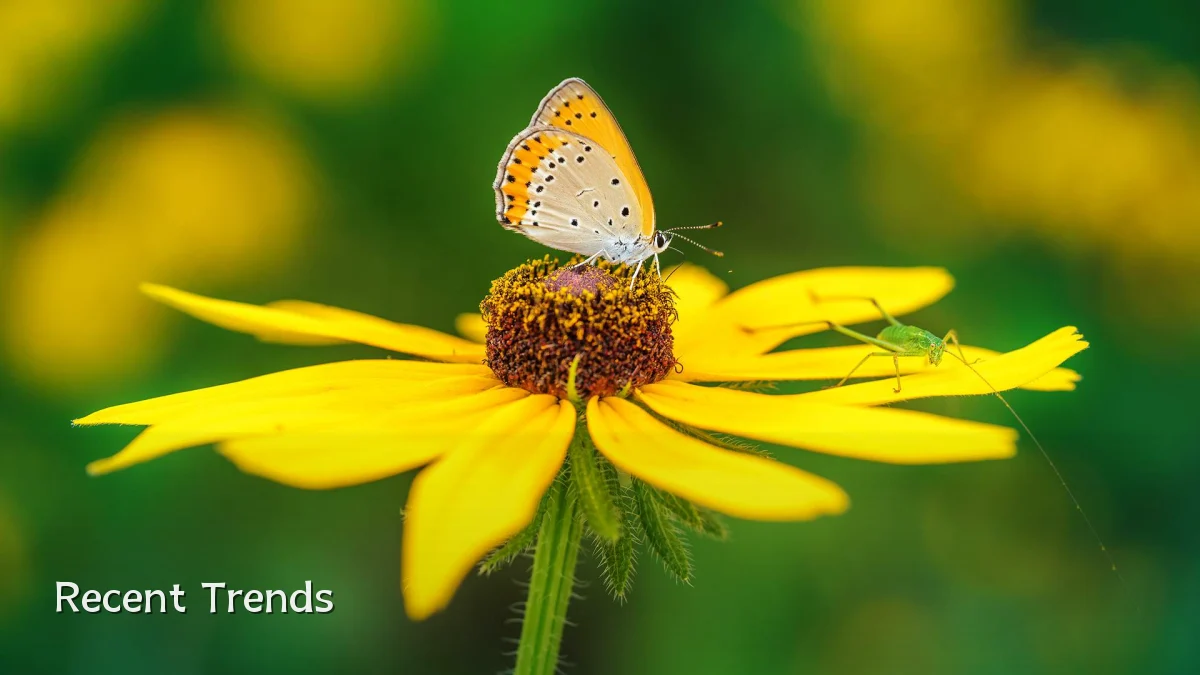
- Perennial-focused layouts: Gardens built around shrubs, ornamental grasses, and hardy perennials that return reliably each season.
- Mulching and ground cover: Wider use of wood chips, gravel, and dense plant carpets to suppress weeds and retain soil moisture.
- Hardscaping integration: Patios, stone paths, and raised beds that reduce the total planting area while adding visual structure.
- Smart irrigation: Drip systems and moisture sensors that deliver water only when needed, cutting both labor and waste.
Background: Why Homeowners Are Rethinking Garden Care
For decades, the conventional garden model relied on regular mowing, pruning, feeding, and watering—a cycle that demands consistent time and expenditure. Several converging factors are prompting a reassessment. Urban and suburban lifestyles leave less room for weekly maintenance schedules. Temperature extremes and erratic rainfall in many regions make water-dependent plants increasingly risky. At the same time, homeowners are more informed about ecological gardening practices and are seeking designs that support pollinators and local biodiversity without becoming a second job.

The low-maintenance garden is not a new idea, but it has matured. Earlier versions often meant a yard of bare gravel and a few evergreen shrubs—functional, but visually flat. Current approaches focus on layering textures, seasonal color, and dynamic form, proving that reduced upkeep does not have to come at the expense of beauty.
User Concerns: What Homeowners Actually Worry About
Despite the appeal of a low-maintenance garden, homeowners frequently express hesitation. These concerns are practical and often determine whether a project succeeds or stalls.
- Fear of bareness: A common worry is that low-maintenance equates to sparse or empty planting. The solution lies in dense layering, ornamental grasses, and evergreen anchors that keep the garden full in all seasons.
- Upfront cost: Larger plants, quality soil amendments, and professional design services can make initial installation more expensive than a standard lawn. Homeowners need a clear picture of long-term savings on water, fertilizer, and replacement plants.
- Lack of plant knowledge: Choosing the right plants for local conditions is intimidating. Missteps can lead to plants that either die quickly or outgrow their space, creating more work, not less.
- Long establishment period: Many low-maintenance schemes look unfinished in the first year. Homeowners may be discouraged before plants fill in and the system matures.
- Uncertainty about maintenance thresholds: "Low-maintenance" is subjective. A garden that requires weeding once a month may still feel like too much for some, while others simply want to stop mowing weekly.
Addressing these concerns requires honest communication about what low-maintenance really means—typically fewer hours per week over the growing season, not zero hours—and a realistic plan for the first few years.
Likely Impact: What This Shift Means for Homeowners and the Industry
The movement toward low-maintenance gardens carries implications beyond individual yards. For homeowners, the most immediate effect is reclaimed time and reduced recurring costs. Gardens designed around established plants and efficient irrigation can lower water bills and diminish the need for chemical inputs. They also tend to increase property appeal, as a well-kept, thoughtfully designed yard is a strong asset in the housing market, particularly when it is evident that upkeep demands are modest.
For the landscaping industry, the shift is steering demand toward consultation and design services rather than routine maintenance contracts. Nurseries are responding with stronger inventories of native and drought-tolerant plants. Product developers are focusing on durable hardscaping materials, automated irrigation components, and soil-enhancement products that improve long-term plant health.
There is also an environmental dimension. Reduced lawn area and fewer chemical applications can positively affect local water systems and pollinator populations. However, the outcome depends heavily on plant selection—a low-maintenance garden made entirely of exotic, invasive species can be as problematic as a high-input lawn.
What to Watch Next
The low-maintenance garden sector is evolving quickly, and several developments are worth monitoring in the coming period.
- Climate-adaptive plant breeding: Watch for a wider selection of cultivars specifically bred for heat tolerance, drought resistance, and pest resilience, expanding options across different hardiness zones.
- Automation and app integration: Smarter irrigation controllers and soil sensors are becoming more accessible, allowing homeowners to manage watering schedules remotely with less guesswork.
- Local and municipal policies: Some regions are introducing guidelines or incentives for water-wise landscaping, which could accelerate adoption of native and low-input plantings.
- Professional certification standards: Look for emerging accreditation for landscape designers who specialize in ecological, high-performance planting schemes, helping homeowners identify qualified professionals.
- Resale value data: As more low-maintenance gardens are installed, clearer patterns may emerge on how specific design features affect property values and marketability.
The likely direction is not a return to the labor-intensive ornamental garden, nor a surrender to stark minimalism. Instead, the future points to planted spaces that are curated, resilient, and genuinely manageable—designed to look stunning not in spite of their low-maintenance nature, but because of it.