Simple Garden Care Tips for Busy Beginners
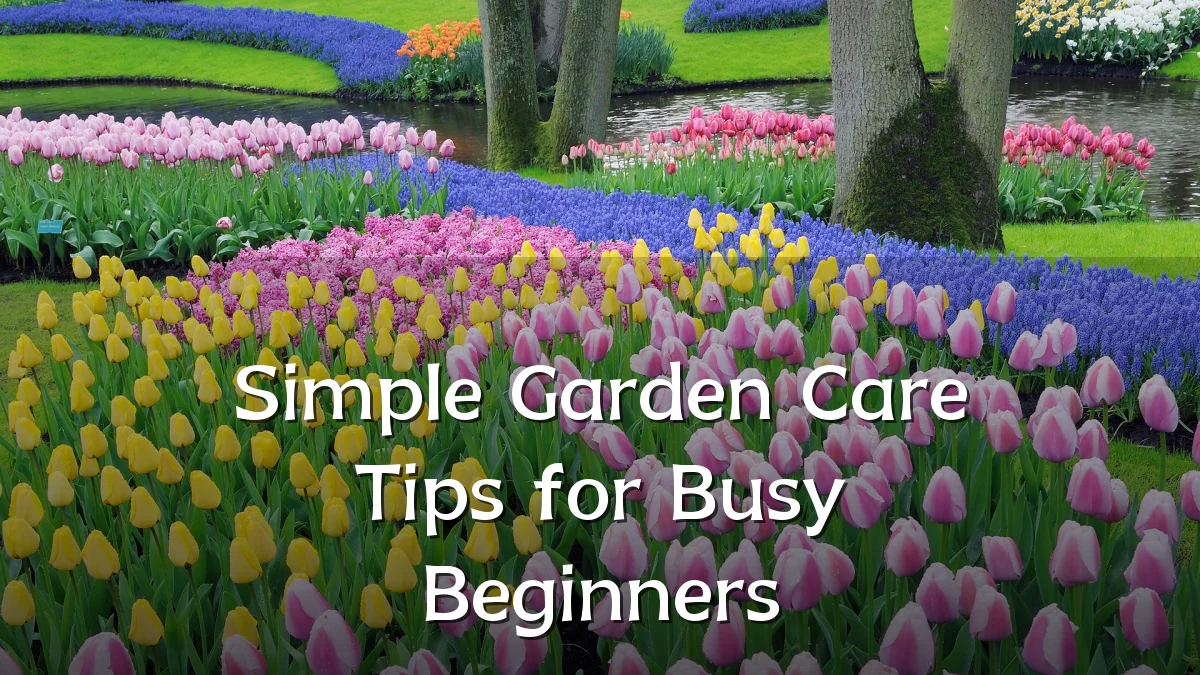
The demands of work and personal life often leave little time for intensive yard work, yet interest in outdoor and indoor gardening remains high. For the busy beginner, the primary obstacle is not a lack of willingness, but a lack of uninterrupted time. Shifting the approach from exhaustive physical labor to smart, strategic habits can make the difference between a thriving landscape and a constant cycle of chores.
Recent Trends in Beginner Gardening
The current movement in home horticulture is drifting away from pristine, labor-intensive lawns and toward resilient, functional spaces. Garden centers and cooperative extension services consistently note a growing preference for low-maintenance design. This includes container gardening for renters, vertical planters for small patios, and the increased use of automated drip irrigation systems that handle routine watering when schedules get busy.

Rediscovering native plant species is also a dominant trend, as these plants are naturally adapted to local rainfall levels and soil conditions. This reduces the need for supplemental watering and chemical fertilizers, which aligns perfectly with the constraints of a limited schedule.
Background: Redefining Traditional Garden Maintenance
Legacy gardening advice often assumes a level of daily availability that most working individuals simply do not possess. Classic guidance to water every day, deadhead constantly, and mow weekly is unrealistic for many modern households. The modern framework emphasizes building self-sufficient ecosystems where the gardener acts as a facilitator rather than a laborer.

This philosophical shift is rooted in soil health. Rather than focusing on quick fixes, the emphasis is on establishing a robust foundation. Healthy soil retaining organic matter holds water longer, suppresses weed seeds naturally, and provides a buffer against plant stress, dramatically reducing the weekly workload.
Key Concerns for the Time-Poor Gardener
When time is scarce, common anxieties emerge around plant mortality and wasted effort. The following practical criteria address the most frequent pain points for beginners:
- Watering discipline: Instead of daily, light watering, check soil moisture two to three times per week. Water deeply and infrequently to encourage roots to grow downward, improving drought tolerance.
- Weed suppression: Apply a two-to-three-inch layer of organic mulch around plantings. This single action significantly reduces the hours spent hand-pulling weeds over the summer.
- Plant selection: Prioritize perennials and self-seeding annuals that return year after year. Choosing robust, region-appropriate varieties minimizes losses and reduces the need for constant replanting.
- Pest tolerance: Accept a certain level of insect activity. Heavy-handed chemical interventions often disrupt natural predators, creating a cycle that requires more frequent monitoring.
Likely Impact of a Simplified Care Strategy
The probable outcome of this streamlined schedule is a substantial reduction in beginner errors. Overwatering and over-pruning are the leading causes of failure among new gardeners. By adhering to a less intrusive, observation-based routine, plants develop stronger root structures and greater natural resilience.
The psychological impact is equally significant. A structured weekly plan—water deeply, spot-check for disease, and prune only when necessary—prevents small issues from escalating into weekend-long emergencies. This consistency transforms the garden from a source of stress into a space for genuine relaxation and mental recovery.
What to Watch Next in Garden Care
The marketplace is rapidly adapting to the needs of the busy beginner. Expect further integration of smart irrigation controllers that sync with local weather forecasts to prevent watering during rain. Additionally, advances in seed coating and soil amendments are making it easier for plants to establish themselves without daily oversight.
Future developments may also include more sophisticated, low-cost soil sensors that provide real-time nutrient data directly to a smartphone. Community-level responses are also emerging, such as tool-sharing libraries and garden mentoring programs designed to lower the initial learning curve and spread out the physical workload.
For the busy beginner, the guiding principle is becoming clear: observe more, interfere less.